


Breakout Club Poet Joshua Idehen on the Lyrics that Changed His Life
From Dizzee Rascal’s screwface anthem to Rufus Wainwright’s heartfelt wisdom to Björk’s Scandinavian wisecracks, these are the tracks and lines the songwriter keeps closest.


Words Matter is an interview series where songwriters whose work means a lot to us talk about the lyrics that mean a lot to them.
Joshua Idehen’s spoken-word anomaly “Mum Does the Washing” has to be one of the most unlikely breakthrough singles of the decade. The song itself is wildly novel, with the British Nigerian poet and vocalist pithily summing up a laundry list of ideologies through the lens of the track’s titular chore. For instance, feminism means “your mum insists you grow up and do your own washing,” while white feminism means “your mum hired a woman of color to do the washing.” It’s funny, pointed, smart, and, thanks to a minimal house beat courtesy of Idehen’s musical partner Ludvig Parment, you can even dance to it.
The unlikeliness doesn’t end there. Idehen is far from your typical viral Gen Z star. He’s a 45-year-old dad. And he’s been working at the edges of London’s underground poetry and music scenes for the last 20 years, collaborating with everyone from progressive jazz band Sons of Kemet to the electronic duo LV along the way. For the longest time, it didn’t add up to much. In fact, as Idehen tells me from Stockholm, Sweden, where he currently lives, it wasn’t until last year that he could finally afford to move into an apartment that he felt solely responsible for; before that, he shared accommodations with family and friends, roommates and partners. He remembers sitting in the living room of his new place, surrounded by unopened boxes, and starting to cry.
“It’s not the biggest flat, it’s just my flat,” he says with pride. “I cried because it was the first time in my entire life that I had that, and my art had afforded me that luxury.” Fearing the conversation might be leaning a little sappy, he takes the opportunity to poke fun at himself. “It might look like a divorced-dad pad, but it’s mine,” he notes, adding that he and the mother of his 4-year-old daughter, Birdsong, broke up around the same time he was financially able to become a full-time artist in 2025.
Some of Idehen’s past work, like his 2021 collaboration with the veteran electronic and rap producer Daedalus, Holy Water Over Sons, skews dark and haunting, with the vocalist mired in feelings of depression and guilt following a divorce he went through in 2017. But following the move to Sweden and the birth of his daughter during the pandemic, he made a conscious decision to get better—and be better. “There has to be a bigger purpose to all of this pain and hurt than just wallowing in it,” he remembers thinking. This switch-up led to his collaboration with Parment on 2023’s Learn to Swim mixtape and this month’s I Know You’re Hurting, Everyone Is Hurting, Everyone Is Trying, You Have Got to Try, easily the most life-affirming album of 2026 so far.
Alongside joyous house jams, righteous jazz ‘n’ bass, and heart-rending piano balladry, Idehen’s affecting voice and exacting pen are in fine form. He’s able to create entire scenes and lives within a single verse, like on “Could Be Forever,” where he writes of a dentist from Benin City, Nigeria who is forced to clean toilets in London in order to make ends meet. Much of the album plays as if Idehen is performing it to himself in the mirror, exuberant pep talks that can’t help but cascade outward and boost the confidence of anyone in earshot. “I didn’t want cringiness to stand in the way of telling myself that I deserve to be loved, and that is more important than any desire to be cool,” he says of the record’s clubby self-help bent. “Plus, I’m 45—cool is no longer affordable to me.”
As someone who’s about to turn 44 myself, I know exactly what Idehen is talking about. I can still be a sucker for coolness when I see or hear it, but I can also acknowledge that the endless search for that mysterious cultural grail can be exhausting. Sometimes it’s just nice to be reassured by someone who’s been through the wringer and came out alive—rejuvenated, even. If it makes me less cool to admit that I’ve melted on the subway while listening to Idehen’s dancefloor ode “This Is the Place”—specifically when he says, in a pure, empathetic tone, “Everyone’s a bit broken here/Every day can’t be a battle, mate”—well, so be it. Stuffed into a packed train car, those words made me feel less alone.
This is why I wanted to know about the lyrics that move Idehen the most, the ones he knows by heart and can’t let go. He didn’t disappoint. His choices and answers come together to form a mini-autobiography dotted with black zip-up hoodies, one-night stands, and the desire to squeeze purpose out of pain. During our chat, his daughter can sometimes be heard yapping in the background, angling for her dad’s attention. At one point, when she briefly leaves the room, Idehen bids her a deadpan farewell. “Bye bye, Birdsong, take care of yourself,” he says with a wave. “Don’t fight any monsters—run!”
Dizzee Rascal: “Stop Dat” (2003)

Joshua Idehen: As an African listening to U.S. hip-hop while growing up in the UK and Nigeria, I always felt like an observer, a tourist. That music spoke to me, not necessarily for me. I could ascribe to revolution and “fight the power,” but I was always looking at it from the outside.
Grime was the first time hip-hop represented me, not just in terms of its sound but also in terms of its content. Dizzee Rascal wasn’t out here saying, “I bust a cap in your ass” or “big pimping”—not to reduce American hip-hop to those kinds of things. But even when you had Nas and Illmatic, and he’s talking about Queens, I didn’t have the history or the context to know what that meant. But there was a time in my youth where it was really like this Dizzee song: “Screwface keeps breddas at bay.” That was next door for me. That is my ends. Those are my people. That is my lingo.
The lyrics to “Stop Dat” talk about feelings, emotions, and challenges I was going through at that moment. There were many times I didn’t want to be approached, so I zipped my hoodie up—black on black on black on black—and I wore my screwface. “When I activate my screwface, give me space/Screwface means let me breathe.” What’s so strange is that it’s a track about isolation, and it’s about as Black as you can get, but when it’s played on a dancefloor, you’re going to have a whole bunch of kids coming together being like “give me space” while giving everybody no space, because grime is a close-contact sport!
Rufus Wainwright: “Poses” (2001)
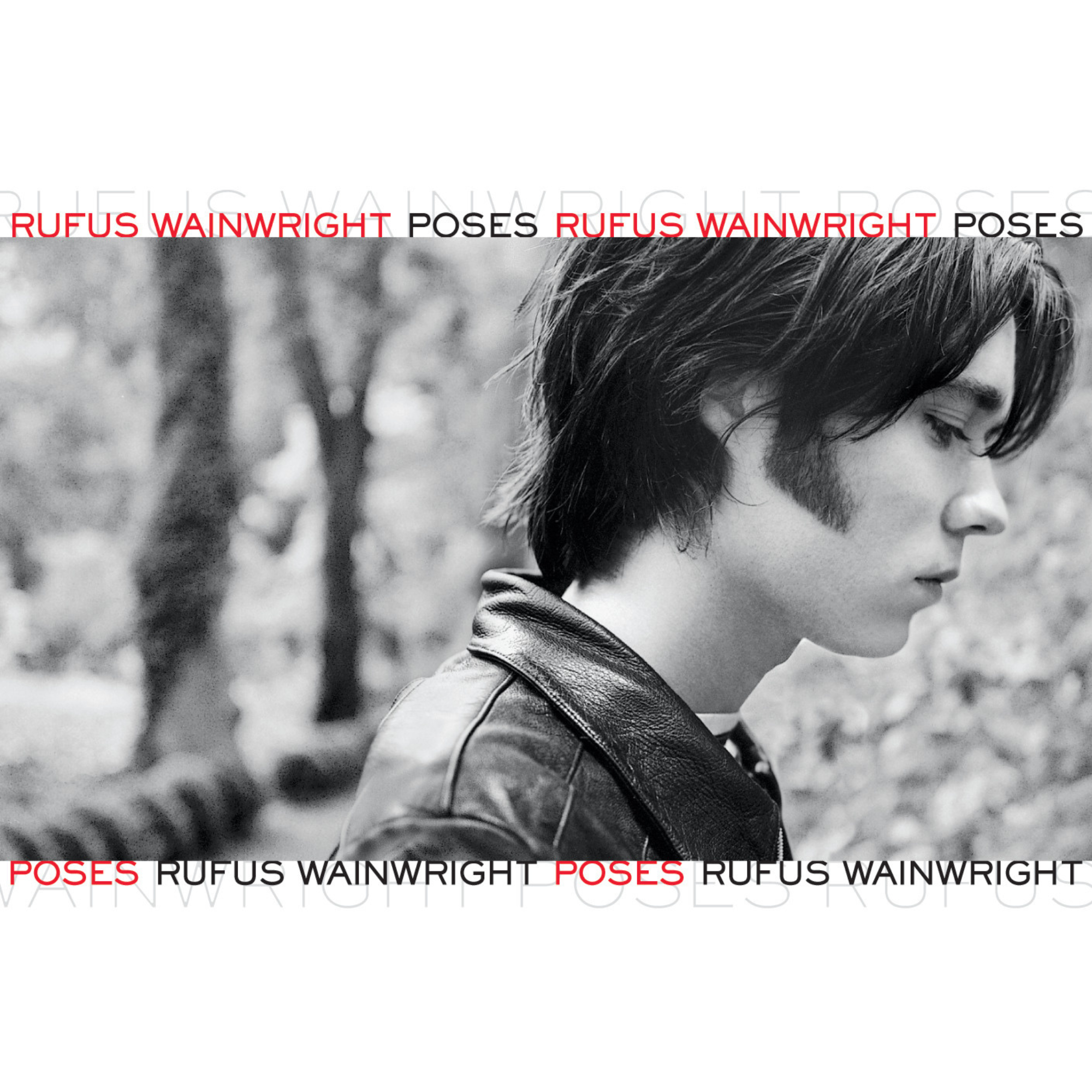
The goal of a writer is to say the truth, or at least your truth, in as simple a way as you can, using the most accessible words in your arsenal. Especially with this new album, it’s been so helpful for me to remove my desire to seem clever and complex and just be like, What is the honest truth about what I’m trying to say? There’s a Rufus Wainwright line that really cuts down to it, and gets at a truth that I ascribe to: “Life is a game, and true love is its trophy.” Everything is in there. It’s also one of those lines that I can show to someone as a test as to whether I’m going to vibe with them or not—because if you listen to that line and you don’t gel with it, then we can’t be friends.
Joan as Police Woman: “Anyone” (2006)
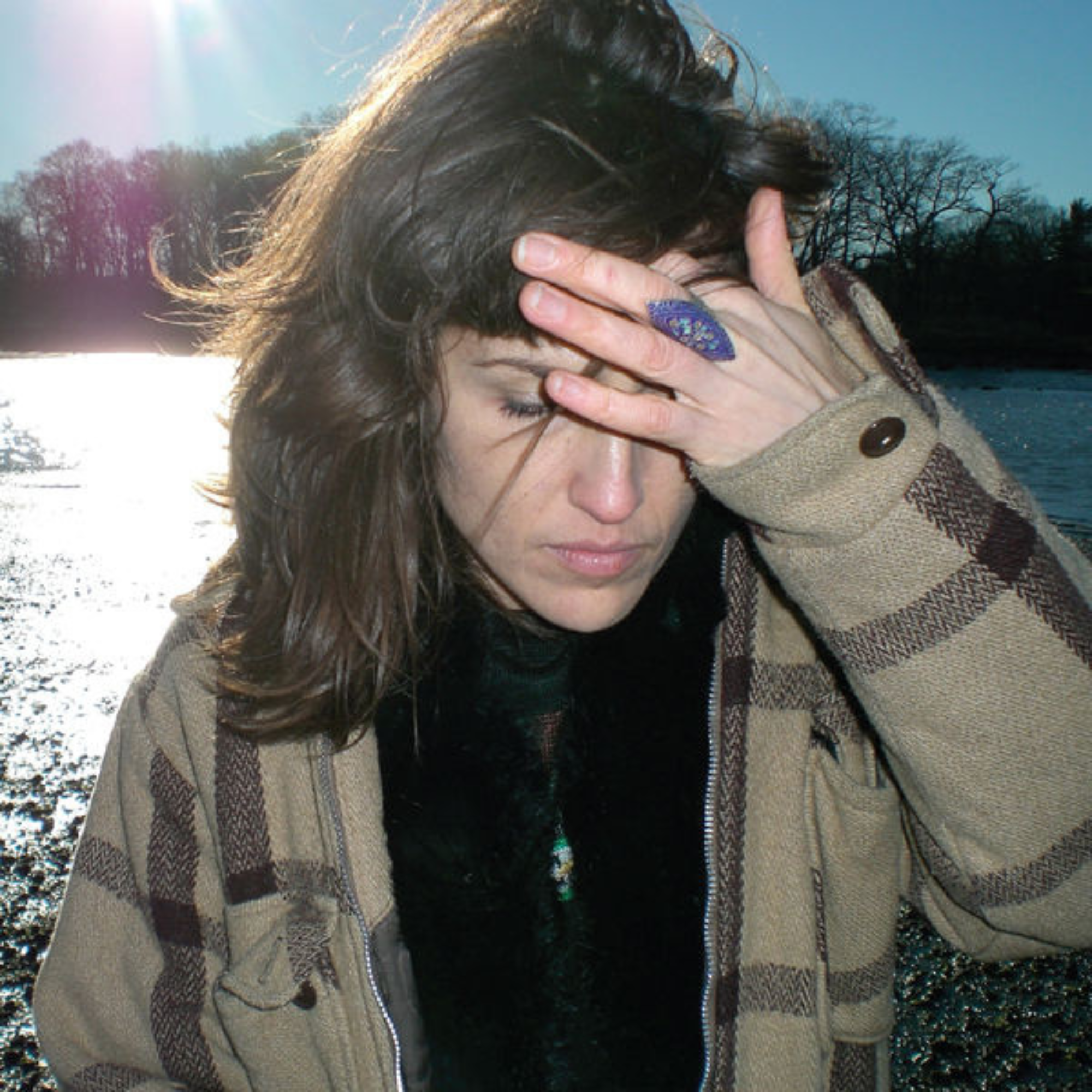
I discovered Joan as Police Woman through a support tour she did with Rufus Wainwright in the 2000s. Years later I was dating this lady called Jess, after we met through a one-night stand. She came to a bar I was working at and was basically like, “Come over to my place,” so I spent the night. She had CDs scattered all over the place, and the next morning I saw Joan as Police Woman’s album Real Life, and I remembered her from that show. The two of us put it on and just sat there listening to it, and I was frozen by the song “Anyone.” Me and Jess were very much a music couple, that was the thing that ignited us, and we had a chance to see Joan as Police Woman, and it was probably one of the best nights of my life. The two of us basically screamed the moment she played this song.
As a love song, it’s one of the best. She starts by making fun of herself, but she uses that self-deprecation as a bit of rizz towards the eye of her affection. Then the hook ends with this banging line: “Anyone could see through me, but you’re not anyone.” It’s just perfect. It’s like she’s saying, “Everyone can see that I’m a bullshitter, but you see that I’m a bullshitter and you love me nonetheless. You see more than what everybody else sees.” I can see that line in any context—a movie or a novel or a comic book. I aspire to write with that level of brevity… and I wish I could spit that level of rizz and turn it into a song someday.
Weirdly enough, me and Joan as Police Woman are now internet friends, and we DM each other regularly. We haven’t been able to meet each other because she’s always on tour, but I realized that she’s going to be performing a Real Life anniversary show in London this November on the day after I have a show in Manchester, so I’ve decided to travel down to London on my day off to see her and then continue with my tour. She’s my one holiday break. I told her about it, and she’s like, “You’re mad!” But there’s no way I’m missing it.
Wildbirds and Peacedrums: “I Can’t Tell in His Eyes” (2008)
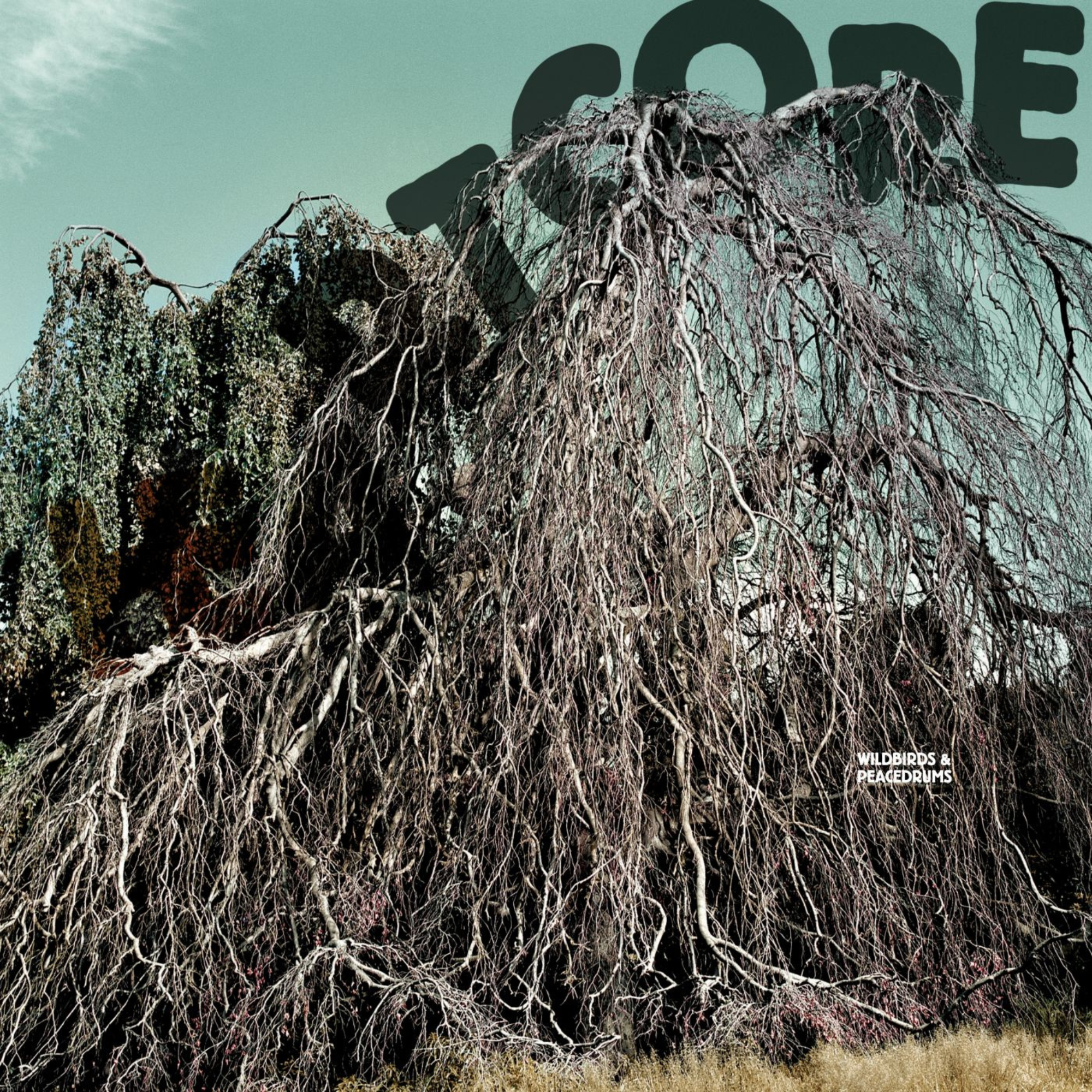
In 2009, I went to the Latitude Festival in the UK, and Wildbird and Peacedrums were performing. I thought it was interesting, a Swedish husband-and-wife duo who make music that’s just drums and vocals, so I listened to some of their stuff on iTunes. The moment I heard the chorus of this song I bought the whole album. It goes, “I can’t tell in his eyes if he wants to cry or if he wants to fight.” There are few lines that are as visual as that one. I see it so clearly. Especially for me, the desire to either burst into tears or fly into a rage is literally on the head of a pin. When I first heard it, there weren’t many songs in my collection that spoke to that level of masculine vulnerability.
Busman’s Holiday: “Hoped To” (2014)

In 2017 I was married, and it completely fell apart, and it was my fault. A lot of my friendship circles disappeared, and I was at the darkest point of my life. The reason why I’m still here is because of people who are my best friends now. After that relationship ended, I wrote a lot of music and poetry where I was essentially just wallowing in that guilt, and a lot of the music I still consume to this day speaks to those emotions. Give me an unrequited love song, and I’ll fucking split myself open.
I picked this song and these lines—“I miss my lonely life/Much better than the one I know/But I’ll never leave my wife/Can’t take the pain that she would know”—because it resonated with a part of me that had been unfaithful in the past. Apart from feelings of worthlessness and self-doubt that color my mind, whenever I was in a relationship, there was always a part of me that longed to be out of it at the same time. It’s the kind of thing I always struggled to admit in the past. I’m much better at it now, and if I don’t want to be in a relationship, my brain just goes, What am I doing here? and I’m out the door. But I recognize that fear so acutely, and I’ve never been able to articulate it as well as this song does.
Busman’s Holiday’s ability to capture the story within a scene, and the emotions that drive it, is second to none. The chorus of this song is talking about mid-life ennui, the feeling that your life isn’t bad, it’s just not what you wanted. I could relate to that for a long time, especially before my daughter was born and this new part of my career started.
Gilbert O’Sullivan: “Alone Again (Naturally)” (1972)
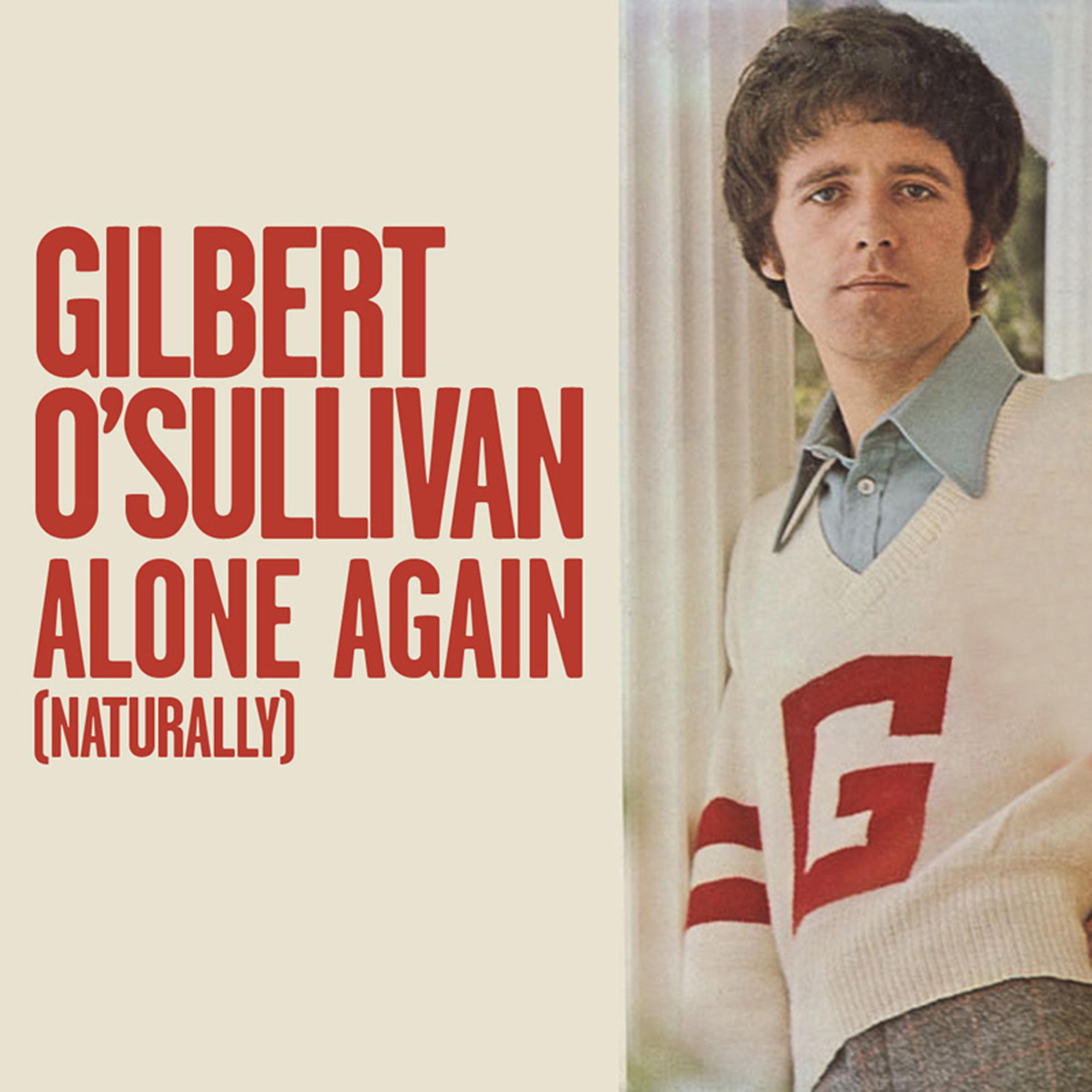
When I moved to Sweden during the pandemic to be with my now-ex partner, Julia, I got really into soft yacht-rock from the ’70s. Julia was into it as well, so we spent that first year trying to find a song that could be ours. We were discovering the Doobie Brothers and Steely Dan, and when this song came on randomly, it became our soundtrack. We understood it was sad, but there was a comedy about it. I would say, “alone again…,” and then she would go, “... naturally.”
We wanted our daughter to love the song as well, so we would put headphones on Julia’s belly when she was pregnant and play that song on repeat, and I’d rest my head and sing to her. Julia had a complicated birth, so they had an emergency cesarean, and I held our daughter first, because Julia was recovering. The nurse asked me, “Do you want to sing her a song?” And I sang “Alone Again (Naturally).” The whole song. And now my daughter hates the song. [laughs] She absolutely despises it.
Björk: “Hunter” (1997)

There’s a line from this song that speaks to a certain naivety that exists in me: “I tried to organize freedom, how Scandinavian of me.” The “Scandinavian” part is more like a joke about her Icelandic nature, but the part about organizing freedom gets to the truth of what she was saying: I tried to tame something that was untamable.
There are some things in my life—like my creativity, my ideas around love, my fears of the future—that I’ve tried to rein down, but that’s an absolute fool’s errand. I have ADHD, and I tend to panic about the future. So I tried to get an ADHD diagnosis privately, because my success has made my time extremely limited, and I want to be a lot more present for my daughter. I see her four days and three nights a week when I’m not on tour. We have conversations, play video games, watch TV. Today we spent our whole day in the park just playing with toy helicopters. She is my joy. She is, I guess, my one true love, and someone that I can’t get enough of. I do find her incredibly annoying sometimes, but I just have to remind myself that she’s 4—she’s only been here for a few years, and I have absolutely no reason to be angry at her.
Earlier today, I found out that the government closed down the hospital that was organizing my ADHD assessment, and I’ve already paid them half of the fee upfront. I was trying to wrestle down this wild brain of mine, but even then I couldn’t plan for the future. That’s what that line says to me. It also always makes me think of Ikea, for some reason.
You originally moved to Sweden for love, do you like living there?
I wouldn’t be who I am or where I am in my life were it not for Sweden. Julia is an amazing woman who really helped me to be the person I am now, and with her I have this wonderful daughter—who is currently having a tantrum on the ground. [laughs] But apart from that, just the space, the peace of mind, and also the money: Sweden has such a robust arts grants committee, which saw value in my work and decided to give me a bunch of money and say, “We’re pretty certain something good will come out of this.” As someone who was toiling in the UK for several years, I was rarely given the chance to fail with no consequence. So when I was given that chance, I took it, and that’s all because of Sweden.
Kendrick Lamar: “Alright” (2015)
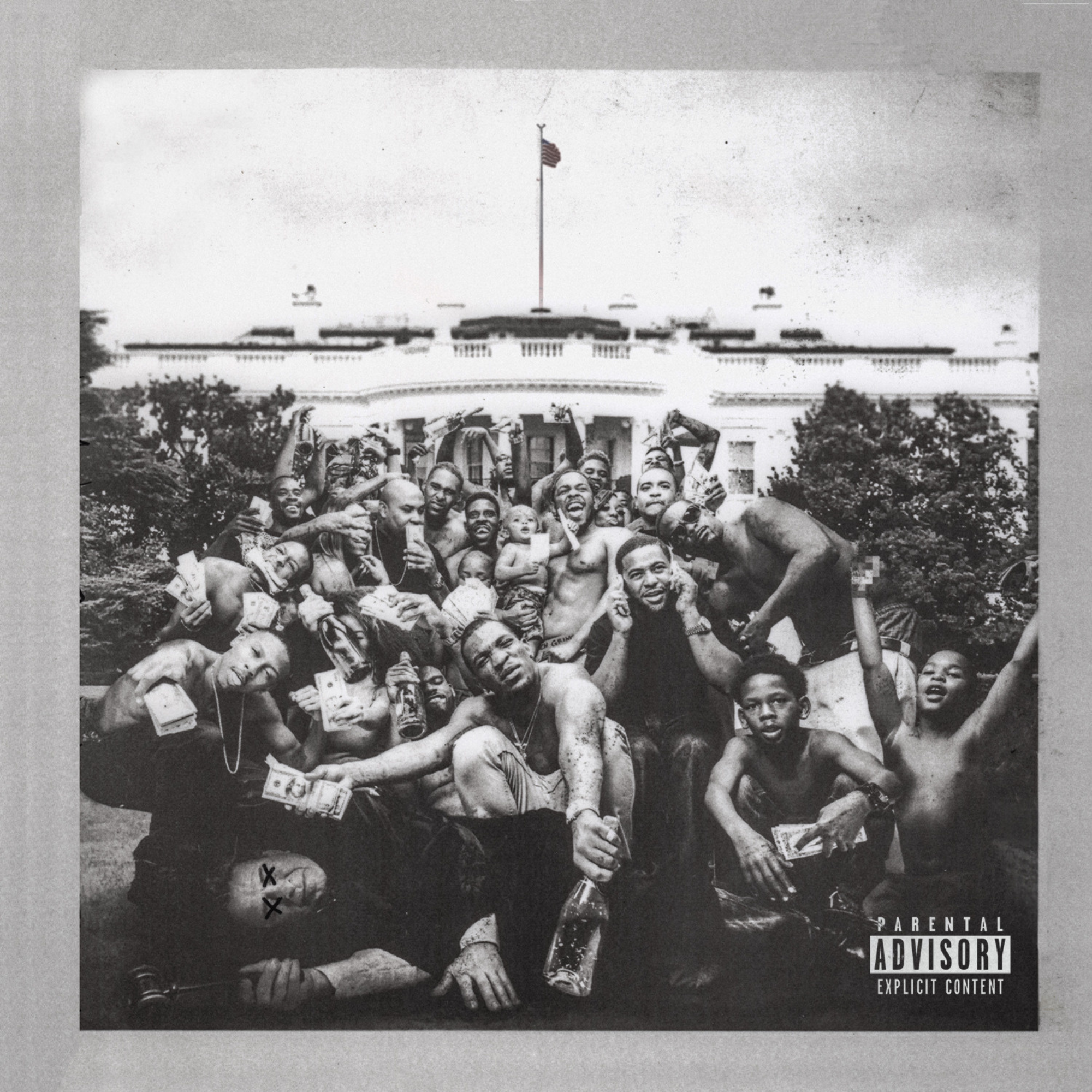
This song had me in a vice grip for the longest time. It’s in my top 10 list of the greatest hip-hop songs ever, and my top five list of the greatest protest songs ever. It is the blueprint for a song that talks about joy as an act of resistance.
The pre-chorus and the chorus of “Alright” are essentially what I’m trying to do with my album, in the way that it’s a song that refuses to let the present dampen the future. It uses dance as a force of resistance and renewed possibility. It is relentless in that. Yes, there is joy, but that joy has to be for a greater purpose. It can’t just be about being happy. It has to speak towards the challenges and in defiance of the oppression that we’re facing now. It’s a joy that recognizes we have been hurt: “I’m at the preacher’s door/My knees gettin’ weak/And my gun might blow/But we gon’ be all right.”
Listen to a playlist of Joshua Idehen’s Words Matter picks on Apple Music or Tidal.


