


Rap Bomb-Thrower Brian Ennals on the Lyrics That Changed His Life
The unfiltered Baltimore MC talks about the apocalyptic horniness of the Four Tops, the sociopolitical genius of Stevie Wonder, and why Biggie is the best storyteller in hip-hop history.


Words Matter is an interview series where songwriters whose work means a lot to us talk about lyrics that mean a lot to them.
Brian Ennals doesn’t give you much time to contemplate his words before they start flying straight at your jaw. Many rappers use wordplay and metaphors to get their points across in clever ways; Ennals writes plainly, with an unfiltered directness mixed with stark honesty. The result is equal parts blistering and hilarious. He doesn’t just Go There—he drags you several miles away from There from the back of a motorcycle with a license plate that reads “ACAB.”
Who needs punchlines when you’re willing to tell a Denny’s worker, as he does on he and producer Infinity Knives’s recent single “Amdia,” to ejaculate in an ICE agent’s breakfast? Or when you’re willing to write a song like “Wet Noodle,” the first half of which is about how Ennals can’t get it up after doing too much cocaine while watching Power? This is a guy who can talk frankly about suicidal ideation, bemoan Black Christians for taking “the same religion as their masters,” and say he would’ve been fine with the January 6th riots if MAGA rednecks weren’t behind it, all from the top of a burning cop car. His candidness on politics often grabs headlines—“The Iron Wall” from last year’s A City Drowned in God’s Black Tears went viral for its vicious condemnation of the sins of Israel and the United States—but he’s the first rapper I’ve heard in a long time who I can actually say “keeps it real” with a straight face.
The last time I interviewed Ennals, in 2025, things were hectic for him. He was on the cusp of releasing God’s Black Tears, his third collaborative album with Infinity Knives. And he was still living through the emotional turmoil of that project, which resulted in demons being unearthed, and he and Knives even coming to blows. At the time, he was also feeling stuck under the glass ceiling of indie music. A year and a half later, his head is clearer and his prospects are brighter. God’s Black Tears became something of a breakout for the duo, resulting in rave reviews, sold-out vinyl pressings, and a busier touring schedule. Ennals hasn’t become a star overnight, but through his work with Knives and this year’s Boatshoes, produced entirely by veteran beatmaker Blockhead, he appreciates the slow and steady ascent. “Incremental is good,” he tells me. “I don’t know if I’d know how to function if it sped up too quick, so this pace works for me.”
The tracks Ennals chose for Words Matter all reflect the ambition and confrontational edge he brings to his raps. From heartbreaking torch songs to conceptual albums tackling issues of politics and race to radio-friendly pop, these are his choices for navigating a world on fire.
The Four Tops: “Baby I Need Your Loving”
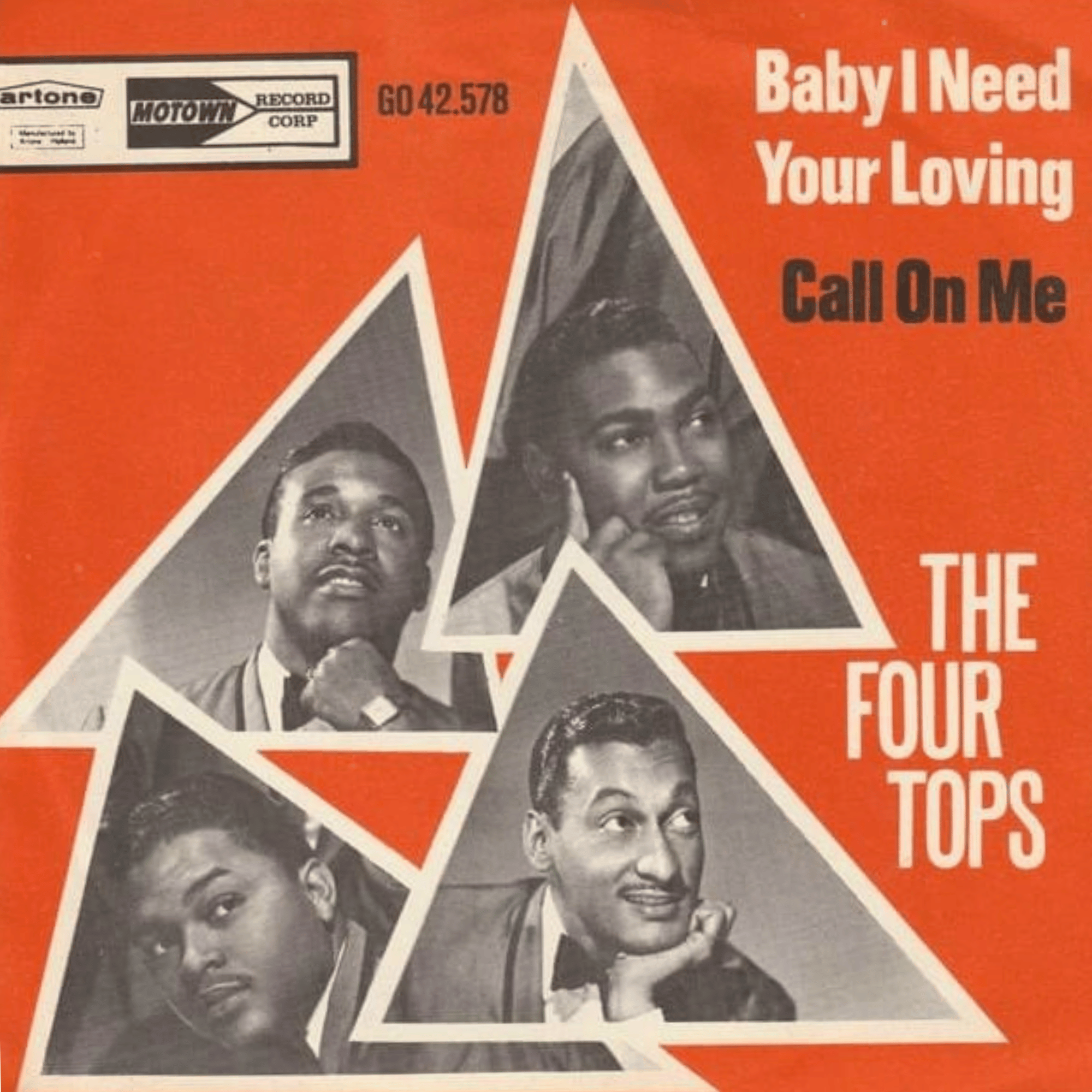
Brian Ennals: With these Motown hooks, man, it’s always build, build, build, and it explodes. You always get the orgasm. People often say we need to bring begging back to R&B, and I think they’re thinking of groups like Jodeci when they talk about that. But I think even deeper than that: When you go to Motown and the Philly sound, the songs sounded apocalyptic. Getting laid or loving this woman was comparable to the end of the world. If you need it so bad and you can’t have it, the meteorite’s gonna fucking hit. It’s more than begging—there’s stakes. When Levi Stubbs says he needs it, he means that shit. It’s the most animalistic need, but also the most humanistic one.
People have a tendency to sanitize the music of the Motown era and act like it wasn’t about that kind of love too.
That was boogie music, that was sex back then. If you were 13 years old in the ’60s, you wouldn’t play “Baby I Need Your Loving” in front of your grandmother who goes to church, just like I couldn’t play 2Pac’s “Hit ’Em Up” in front of my mom.
The Isley Brothers: “Voyage to Atlantis”
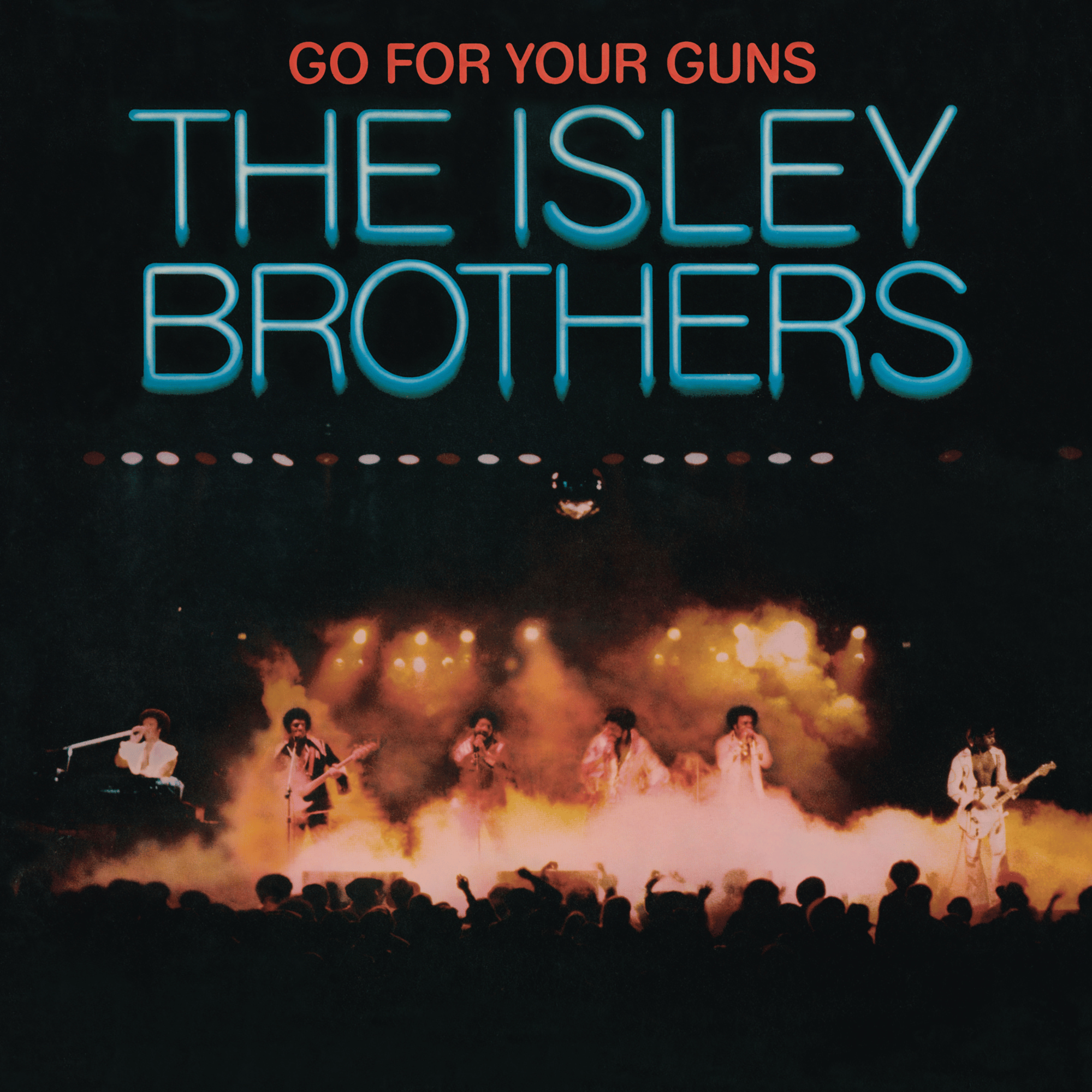
This song sounds like resurrection, death, and coming back in another form to always be with the people you love. Atlantis being the afterlife, for lack of a better word—you’re going, but I’ll always be here in some form. Like I was saying with the Four Tops song, these are real stakes! They’re dealing with some metaphysical shit.
Side note: There’s a song from Ja Rule’s first album, Venni Vetti Vecci, called “Daddy’s Little Baby” that has Ronald Isley on it, and he reinterprets the hook for “Voyage to Atlantis.” I remember reading the credits in the CD booklet and seeing that in there in 1999, and the song’s stayed with me ever since.
Stevie Wonder: “They Won’t Go When I Go”
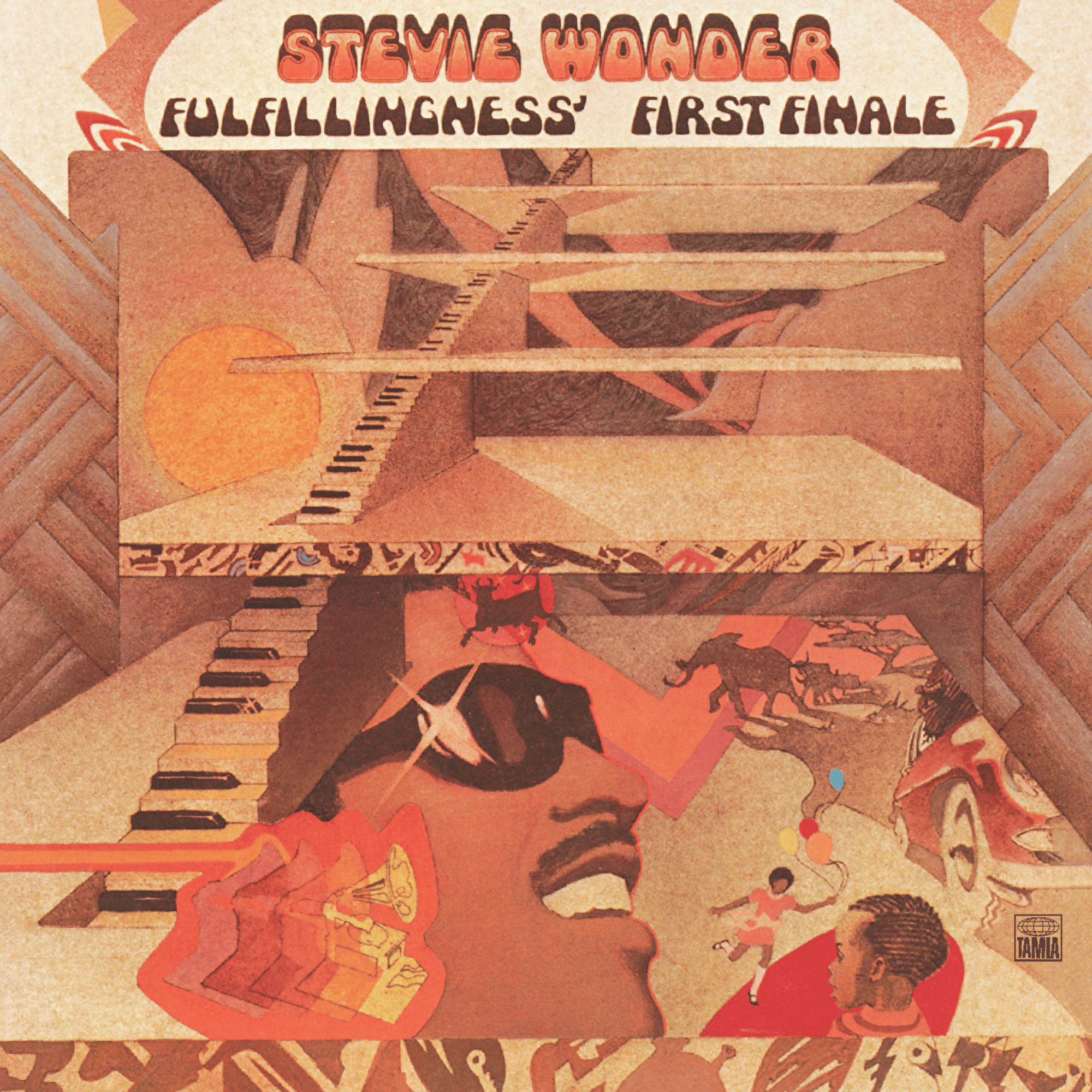
When I was in college in D.C., I used to drive around and listen to Fulfillingness’ First Finale, the album this song comes from. It’s probably my favorite Stevie album. On this song in particular, the lyrics, as I interpret them, are about these white liberals not having skin in the game of civil rights and revolution. These are people who ostensibly aren’t racist and support the advancement of people, but only within the realm of what they’re comfortable with.
I remember when the uprisings were happening in 2015, and this white girl I went to high school with—cool people, nice girl—said, “We need change. I’m sick of the racism,” and yadda yadda yadda. Then a couple buildings got burned down and she said, “Well, this is not the way to go about it.” You don’t get to decide how the oppressed decide to take on their oppressor. You’re either fucking down or you’re not.
That’s such a specific thing to write about, and writing about something so specific is hard. No shots at anybody, but it’s easy to write abstract. It’s not easy to have a very specific topic and expound upon that topic, and make it catchy and something to sing along to. “They Won’t Go When I Go” is a torch song, some campfire choir shit about something very granular. Expert songwriting. I don’t know if you can write better than that.
Especially with what’s happened in the last 15 years and what’s going on now with ICE and whatever genocides are happening all over the world—obviously one is too many, but there’s plenty—this song will always be relevant.
2Pac: “I Ain’t Mad at Cha”
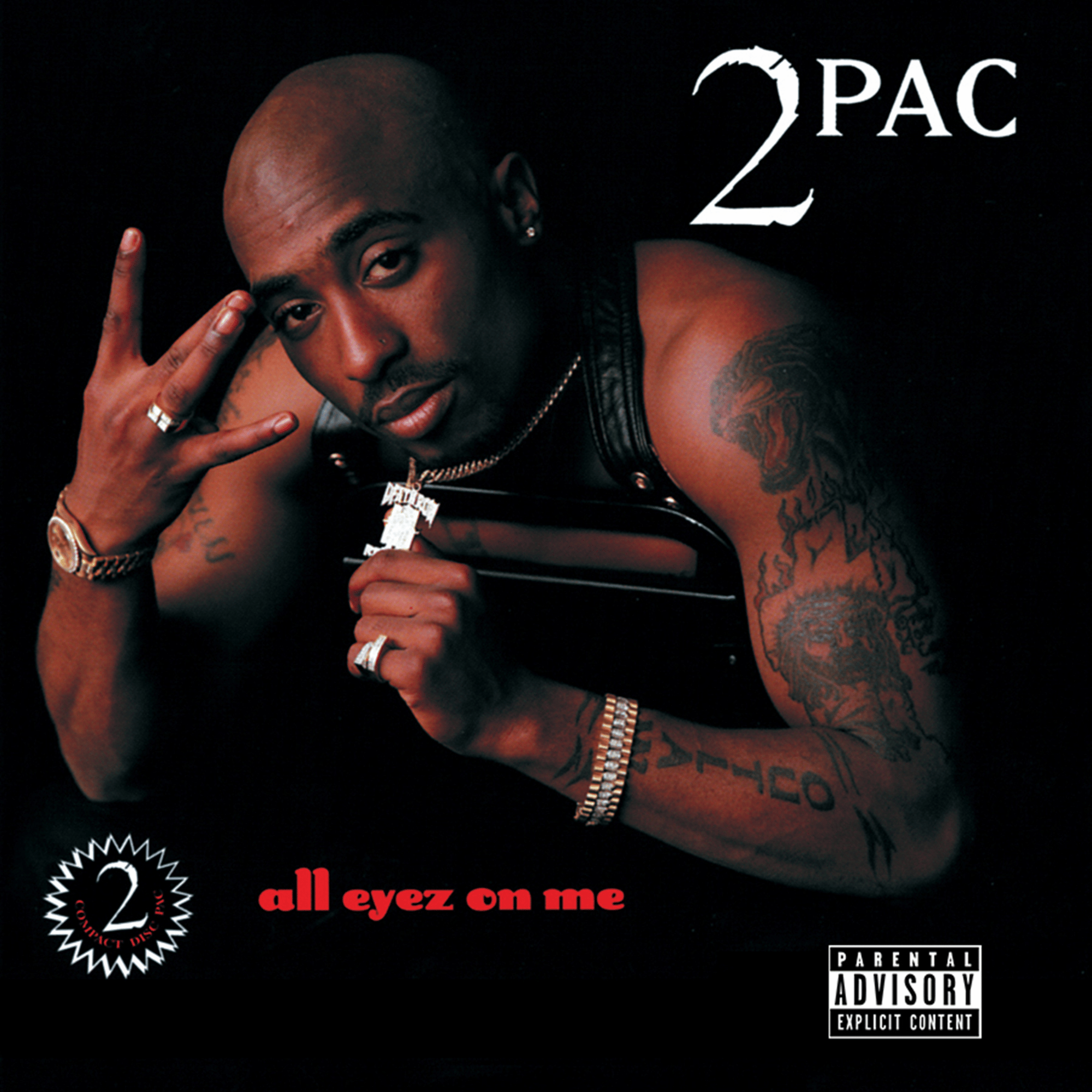
Pound for pound, this might be 2Pac’s best song. The best part about it is there’s the album version and then a more contemplative radio version; they each have different third verses and a completely different delivery. The radio version is three verses about having a friend who changes for whatever reason, but on the album version, he’s talking to his nigga, y’know? He’s talking to him without antagonism, but there’s friction. You’re not happy, but you’re playing it off, as we often do as Black men in particular. You’re hurt and you’re disappointed, but “I ain’t mad at cha.” He clearly is. That’s the gag of the song: He’s mad as shit.
The contemplative version, with its change in delivery and the different third verse, becomes an inner monologue where he’s thinking about his friend instead of talking to him directly. “Oh, you a Muslim now, no more dope games” is, I think, the best line delivery in rap history, on both versions. When he says it on the album version, he nails it, and it’s funny. When he says it on the radio version, it feels like he’s regretting that he’s not making the same choice for himself.
Again, songs like this aren’t easy to write. In the first verse, he describes an entire friendship he has with somebody since he was a kid up until the present day, what their issues are, and how they’re gonna go about it as it resolves or doesn’t resolve in 24 or 30 bars. That’s not easy, man! And not to compare myself in any way to fucking 2Pac, but “The Badger” from King Cobra, the song about the homeless guy, it took me six months to write! The fact that Pac probably wrote and recorded this song in a night makes it even more impressive.
The Notorious B.I.G: “Niggas Bleed”
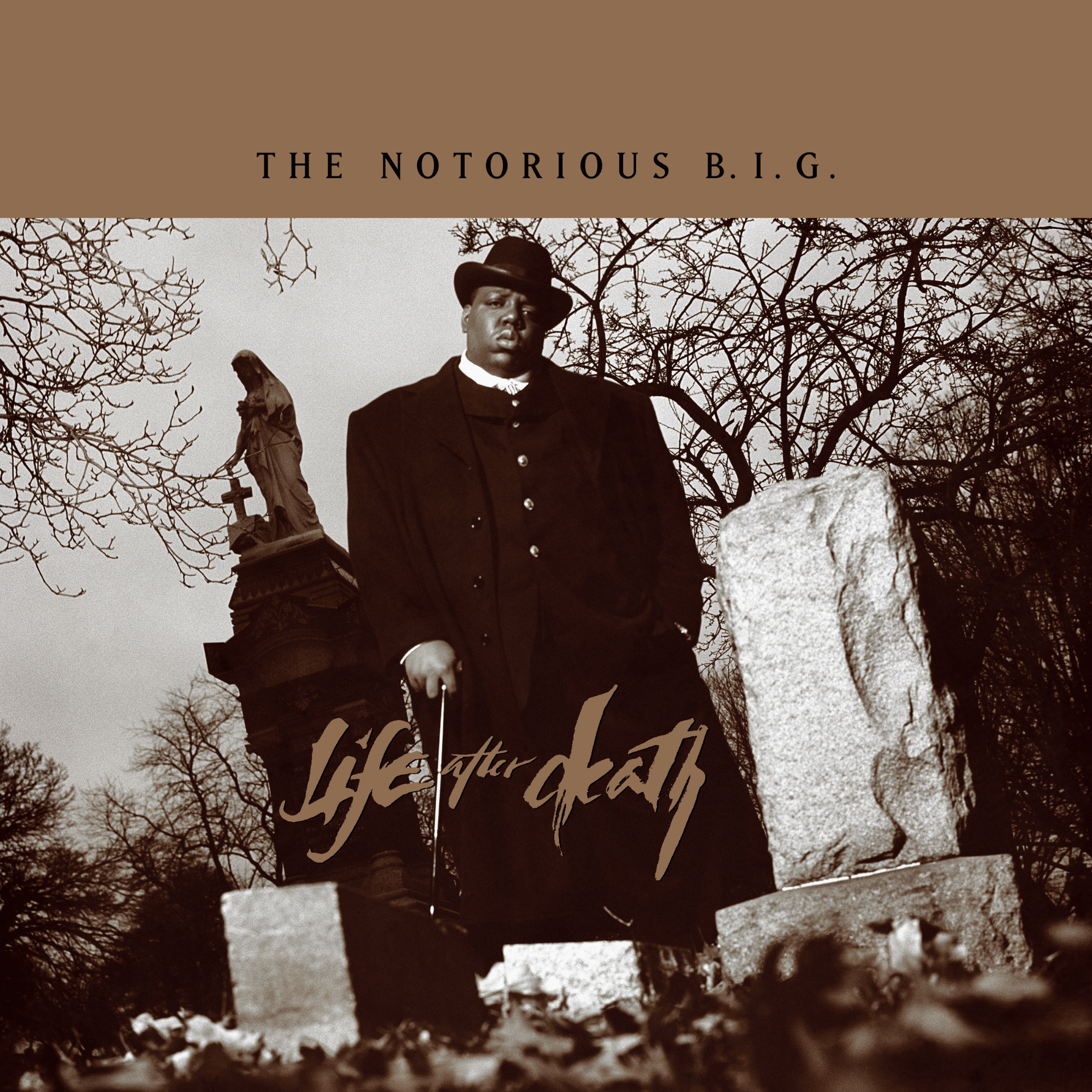
In the first verse of this song, a friend of Biggie’s named Arizona Ron is assigned by his boss to go do a drug deal. The boss tells him what to do, how much money to get, and tells him, “Promise you won’t rob ’em.” And Arizona Ron still leaves being like, I’m absolutely gonna rob these niggas.
Then the second verse follows Arizona Ron, and you get this whirlwind of information about him: Why he acts like he does, where he’s been, bodies he’s caught. Not only does Biggie want to explain the characters in this narrative, he’s using Ron to explain his own motivations. Instead of Biggie saying, “This is why I do what I do,” he tells you what Arizona Ron does and draws the parallel to himself, which is songwriting on a level that’s unfathomable. What Biggie did on the second verse of “Niggas Bleed” is unprecedented shit. It takes so many listens, and you have to listen to the song.
So there’s the setup in the first verse, the second verse where Ron explains his history and we learn about Biggie through that, and then the third verse is the actual robbery. That verse ends with three people dead, because Ron goes into the hotel to rob these dudes, and the girl at the front desk was in a house he robbed 10 years previously, so she knows they’re not playing and gives him the key. This is explained in three bars. It’s insane. It’s the best storytelling rap in hip-hop history from the best rapper of all time.
The Rolling Stones: “Sweet Black Angel”
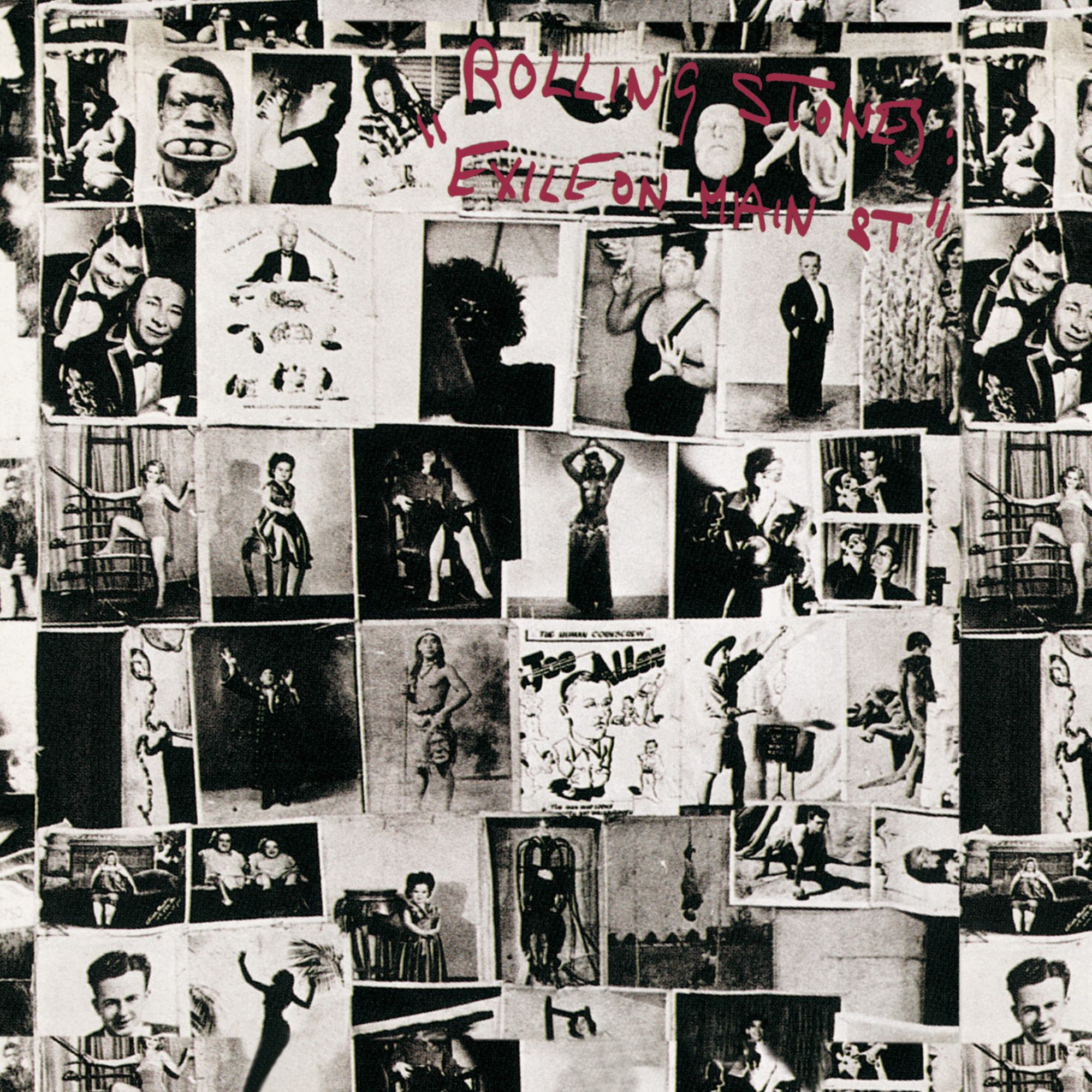
People always talk about white British guys rapping as Black people, and this song is the best example of that. They’re Black on that song in a very literal way—not in a minstrel way, but they’re rapping from the perspective of a Black person. They say the word “nigger” in the song, but in context, it makes sense. It really digs into how hard it is to be Black in the South.
I’m a hip-hop and R&B dude, but there’s certain rock and country artists I respect. I respect the Stones, and that’s the song I go back to. It feels like an American standard you sing in elementary school, like “My Country, ‘Tis of Thee” or “America the Beautiful,” which is pretty but describing something really ugly. They really put themselves in the shoes of other human beings.


