


Stoic Breaks Down 10 Perfectly Produced Records
The Grammy-winning New York producer dissects productions by No I.D., Madlib, Q-Tip, Kal Banx, Stevie Wonder, and more


Stoic’s journey through the music industry is a testament to self belief fit for a feel-good biopic, or at the very least a lengthy three-part TikTok storytime. Born and raised on Staten Island, he grew up inundated with New York hip-hop from Jay-Z and 50 Cent to home-borough heroes like Wu-Tang Clan. But it was hearing the music of MF Doom that initially inspired him to try making beats of his own. Like many a Gen Z music lover before him, he took to making type beats and posting them online to YouTube and Bandcamp. By the time he was in nursing school, he was making more money from YouTube than he would’ve through medicine. That hustle led to placements with Afroman and Mick Jenkins and to collaborative albums with rappers like New Yorkers CJ Fly and LifeOfThom. Eventually, it also led to work with Doechii, whose team sent her one of his songs, which she turned into the track “Bullfrog” from her Grammy-winning 2024 breakout Alligator Bites Never Heal. The song earned Stoic his first Grammy (actually just a certificate instead of a statue, but still!)
All of that grind brings us to Paella!, his first-ever full-length producer compilation. As the hearty rice and veggie meal of its title suggests, Paella! is a colorful variety pack of music chased with features from some of indie rap’s finest. “I’m at this point in my career where I have access to some of my favorite artists, so my taste and my reach have kind of lined up,” he explains. “I think this is also the most confident I’ve ever been as a producer. Something a lot of producers struggle with early on is building a world and taking the reins instead of having the artist take the reins. I feel comfortable being in a room and guiding a song now, where five or six years ago, that wasn’t the case.”
Confidence comes through in how the vocalists fill in his arrangements of live and programmed instruments. Mavi and Ovrkast double-dutch their way through the jumpy percussion and bass plunks of “Freefall” while LifeOfThom and Portland’s Wynne trade stressful stories about exes over the wonky piano of “Haircut.” Mick Jenkins barrels his way through the blaring saxophones of “Up & Away” opposite fellow Chicagoan Kaicrewsade and the gauzy strings of “Heat Up.”
Paella was a dish Stoic’s mother used to make for him, and one that he still makes to this day (She lovingly recites her recipe on “The Recipe” interlude near the album’s middle.) That inspired the album’s name, but Stoic’s knack for mixing a hearty dish also extends to his picks for The Producers: beats that are even-keeled but full-bodied, making a statement larger than the sum of their parts.
Two years ago, we started a worker-owned music journalism publication to escape corporate media and blaze a new path forward. And we’re still at it. To celebrate our continued existence and faithful readers like you, we’re offering annual subscriptions at 30% off—that’s just $49 for full access to all of our reviews, features, podcasts, and more.
Jay Z: “The Story of OJ”
Producer: No I.D.
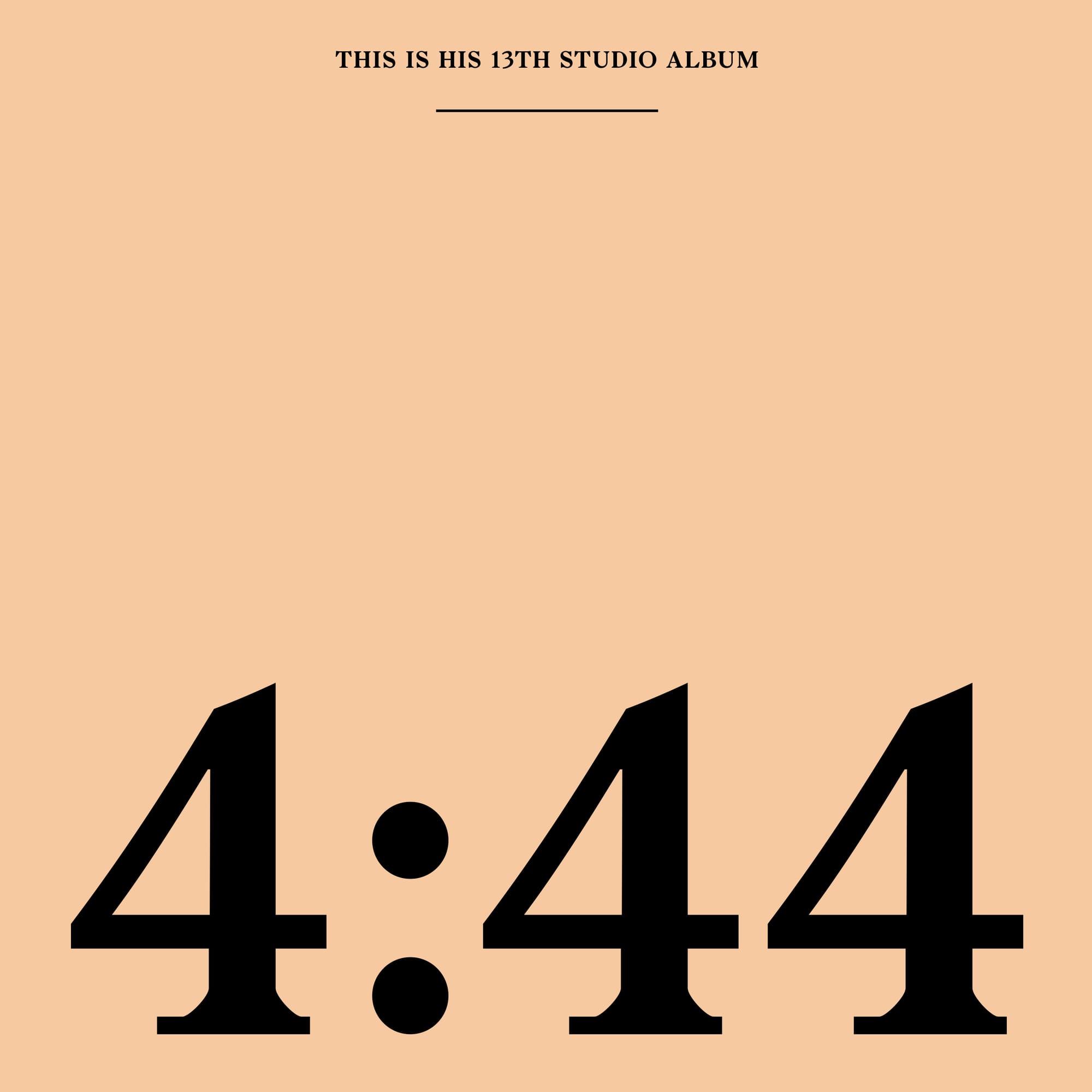
I truly think the chop on “The Story of O.J.” is up there, neck-and-neck with J Dilla’s “Don’t Cry”. It might even be a bit better in terms of a pure sample chop. No I.D. took a song, completely reworked and rearranged it, created a bunch of new sounds, and is also telling a story with that beat. JAY-Z’s going back and forth and playing with the beat, too—it’s so masterful. And it slaps, too. Not only is it technically amazing, the drums are killer. It’s one of the most perfect beats I’ve ever heard.
Hearing Things: You could go back to what No I.D. was doing on Common’s Resurrection and see it in those beats. He’s one-of-one.
Obviously he gets his flowers, but I think he belongs in more top 10, maybe even top five, conversations.
Kendrick Lamar: “Institutionalized”
Producers: Rahki & F. Halldin
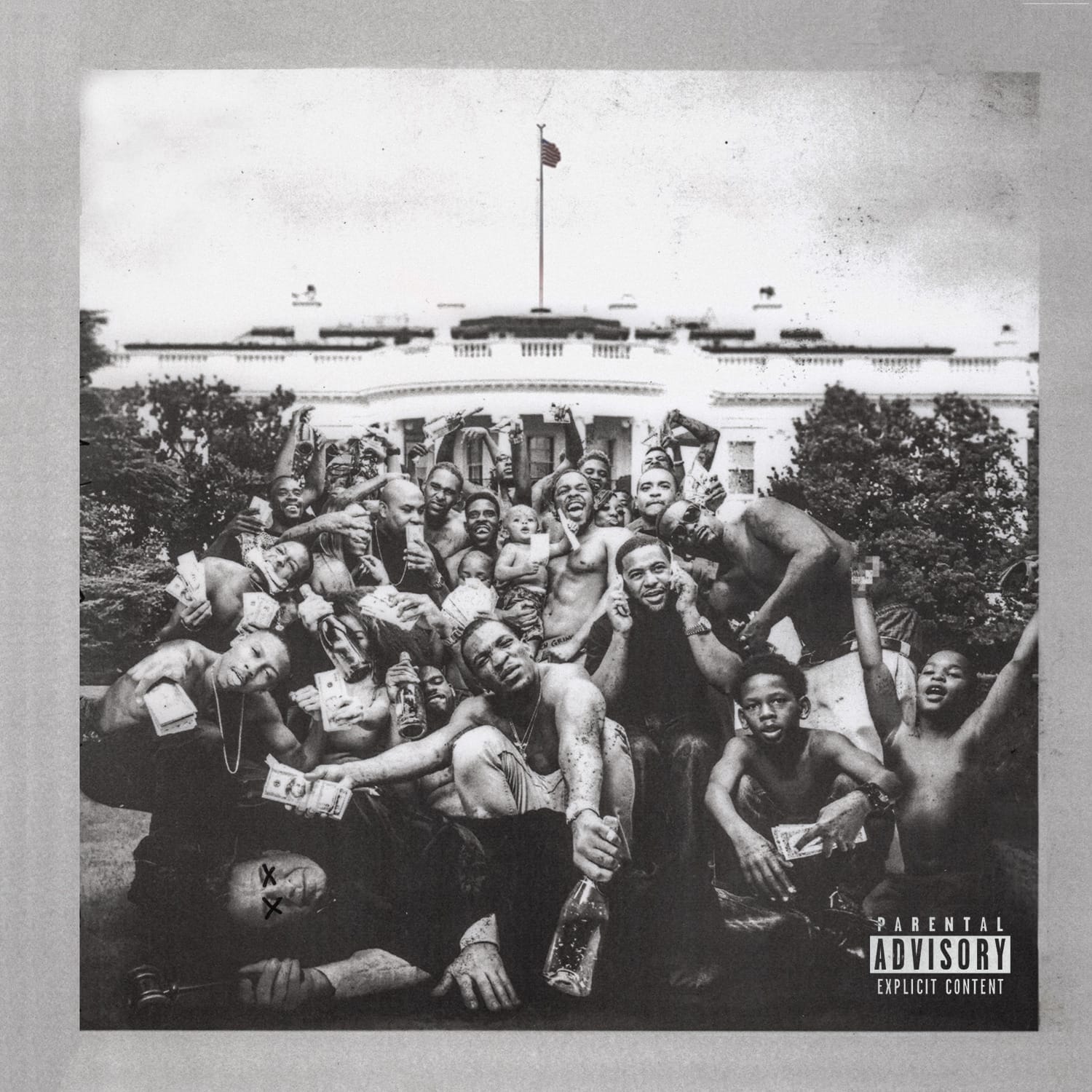
I remember exactly where I was when To Pimp A Butterfly came out: The album had accidentally dropped a few days early on iTunes and I bought it before the purchase link was deactivated. I sat with that album for days just soaking it all in.
The album did drop on the Tuesday before it was supposed to come out. I have a similar story: I was in high school at the time and had to have been 15 or 16, and when it dropped, my homie who also loves Kendrick texted me about it. I had only been at school for two hours that day—I was in physics class, I’ll never forget it—and the second that class ended, I got on the bus and missed the rest of the school day just to go home, lay in my bed, and listen to that album. It was the best first listen I’ve ever had. I remember “Institutionalized” specifically.
The first beat is my favorite of the two.
I actually disagree. The first beat was tough, but then the switch comes in! It’s mainly those drums, the swing on those drums and that snare specifically? You can’t not fucking bob your head to that. I was like Holy shit! Oh my god, how did they do that?
Stevie Wonder: “Superwoman”
Producer: Stevie Wonder
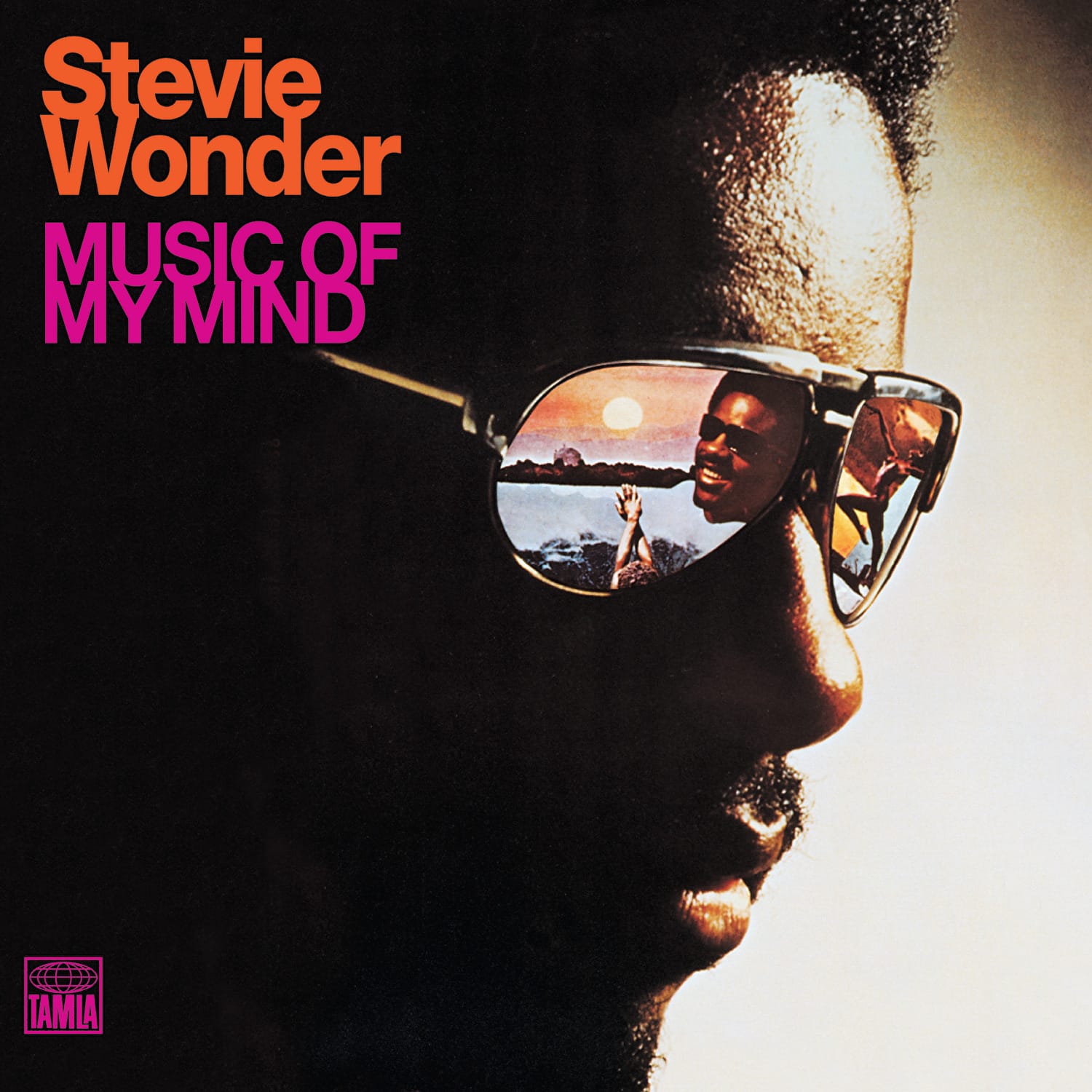
Stevie produced pretty much all of Music of My Mind.A lot of the instruments are being played by him, and “Superwoman” is an eight minute ballad with two sections that are just so—everything on the production, from the chords he’s using to the way it’s all mixed, is so elegant and warm. It sounds like you’re being brought back in time, but everything is still fresh, which is something I’ve admired about Stevie Wonder and even Michael Jackson’s music: It still sounds current 30, 40, 50 years later. That’s a testament to those guys; that puts them at the highest level.
A Tribe Called Quest: “Electric Relaxation”
Producer: Q-Tip
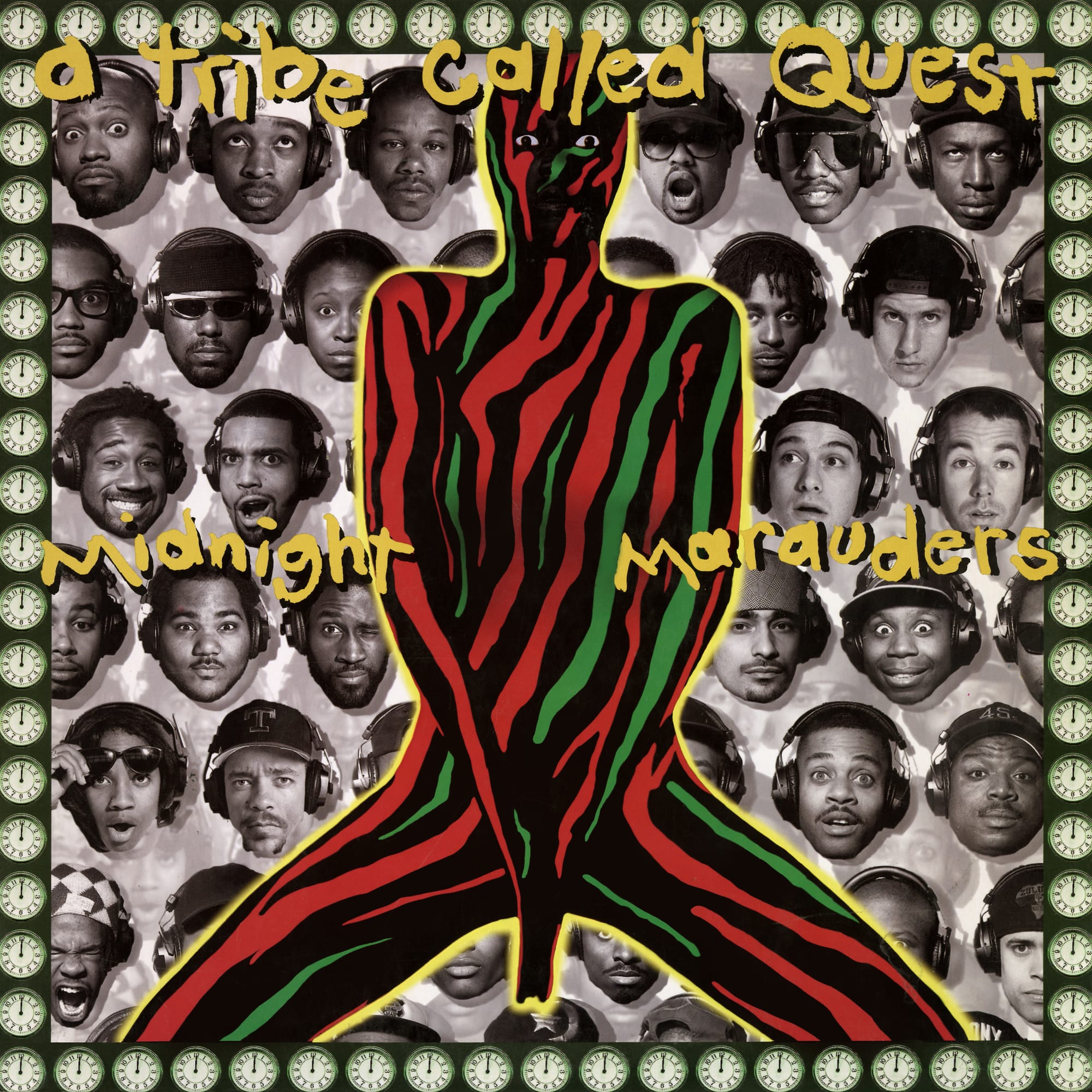
I gotta be honest: I’m admittedly not the hugest fan of ’90s boom-bap beats. People get mad when I say I don’t like beats from the ’90s, barring guys like Q-Tip or Dilla or Madlib—they just don’t hit me like that. “Electric Relaxation” is the exception to me. It’s a classic sample [Ronnie Foster’s “Mystic Brew”] that a lot of people have flipped by now, but it’s so beautiful. The simplicity of it is what gets me. Amazing bassline, the drums aren’t doing too much; it isn’t overproduced and everything fits together perfectly.
King Geedorah: “Fazers”
Producers: MF Doom & E. Mason
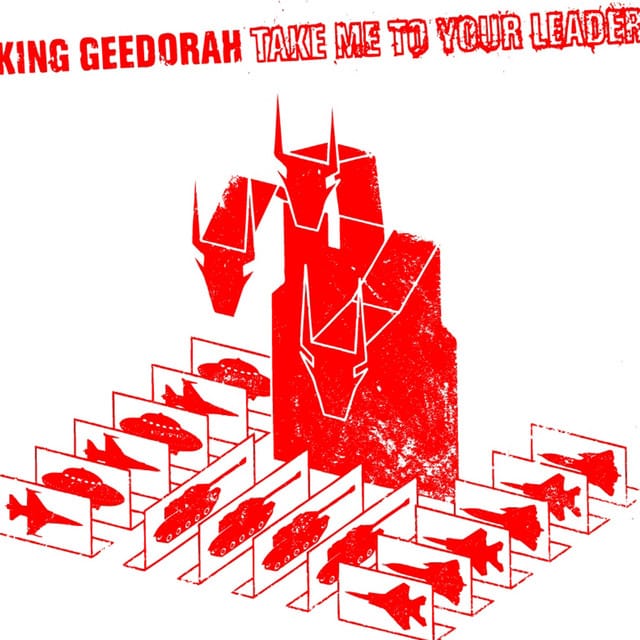
For me, this is similar to “Electric Relaxation.” The sample is so simple, the vibe of it. We got Doom here, under his King Geedorah moniker, he’s a supervillain three-headed dragon attacking a town, and the way the strings and whatever other instruments in there are arranged. Something about it is so perfect. It sounds almost evil but triumphant at the same time, like the villain is winning. It speaks to so much of what Doom’s vibe was. Some of my favorite Doom raps are on “Fazers.” That’s one of the most perfect rap songs to me.
Take Me To Your Leader is one of the best produced Doom albums in his whole discography.
Doom is actually the reason I started producing. I have really good memories of sitting in the car with the homies in high school and freestyling to all the Special Herbs tapes on YouTube. And then when I started making beats, I was trying to emulate that feeling, so I could bring them to the car and we could rap over them. It all clicked for me in those moments.
BADBADNOTGOOD: “In Your Eyes” (feat. Charlotte Day Wilson)
Producer: BBNG
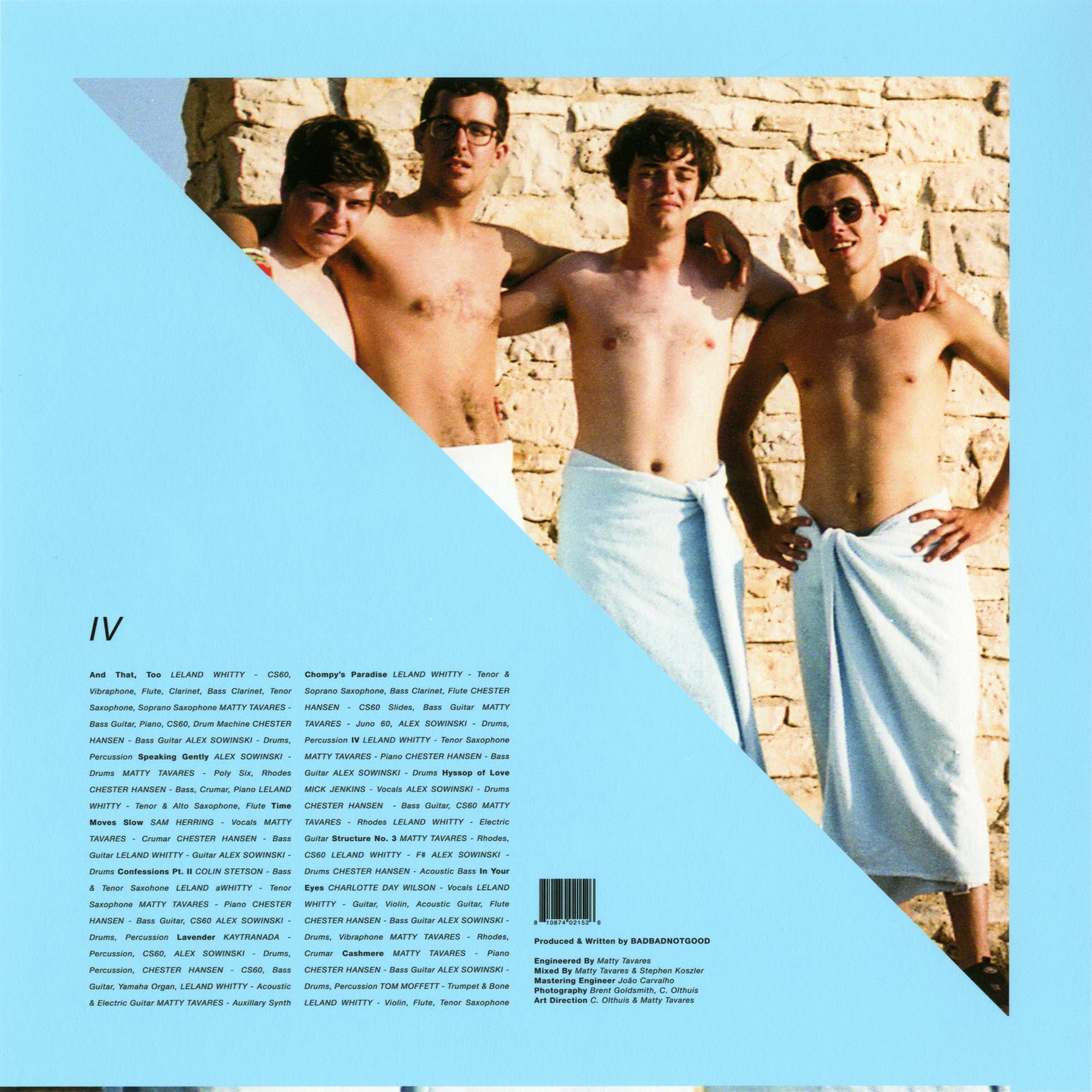
I slept on this album [IV] initially, probably for the first year or two after it came out. A couple of buddies had sent it to me and I thought it was good background music or whatever. I had known about BadBadNotGood for a while. I’ve loved them since a video they posted of them covering “Electric Relaxation” in an apartment. But three or four years ago, I was living in LA and I was like “Fuck it, let me run this album back.” I might’ve been driving down the Pacific Coast Highway, and that song comes on. The sun was hitting just right and I was like Oh my god, how the fuck did I miss out on this? I love how they’re able to get that vintage 60s or 70s sound on their instruments and through the chord progressions. Everyone’s taste in that band is incredible. The runs their bassist goes on always stand out to me. The drummer’s holding it down. And that’s not to mention Charlotte Day Wilson’s performance. Her voice sounds like she’s singing from the past or the future at the same time, and it cuts through like butter.
Westside Gunn: “Gunnlib”
Producer: Madlib
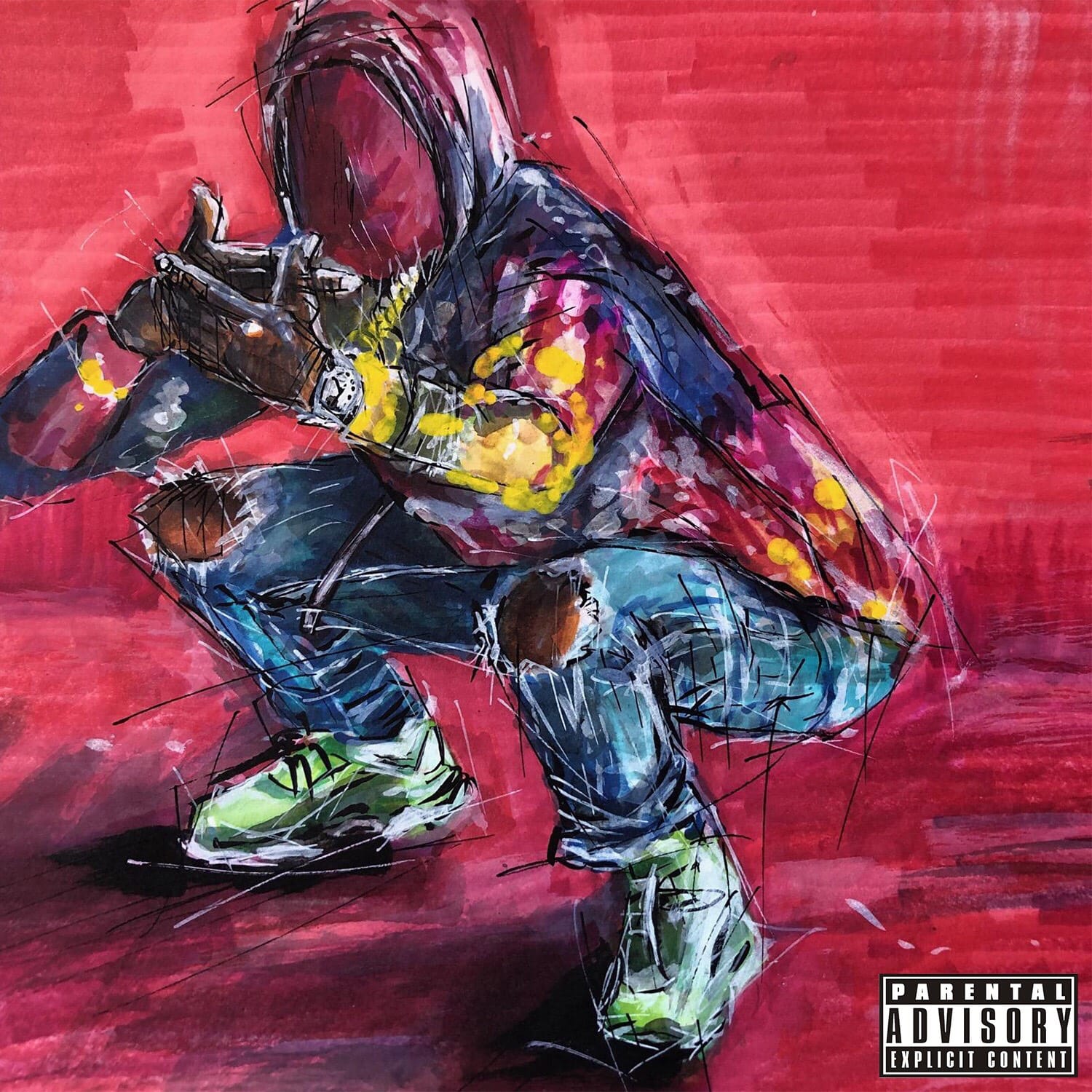
Another somewhat straight forward flip, but leave it to Madlib to pick this section of whatever sample he picked to use as the entire thing. No one would pick that shit. It sounds so wonky. There’s only four to eight chops total in the entire track and it scratches the right itch for me. The vocal in the sample sounds so odd; the bass in there sounds like a standing bass just doin’ its thing, and then the turnaround at the end. Then there’s classic Westside, rapping right inside the pocket and talking bullshit. I love it so much. So fucking good. Madlib is my personal GOAT. His taste really helped shape my taste.
Kaytranada: “Lite Spots”
Producer: Kaytranada
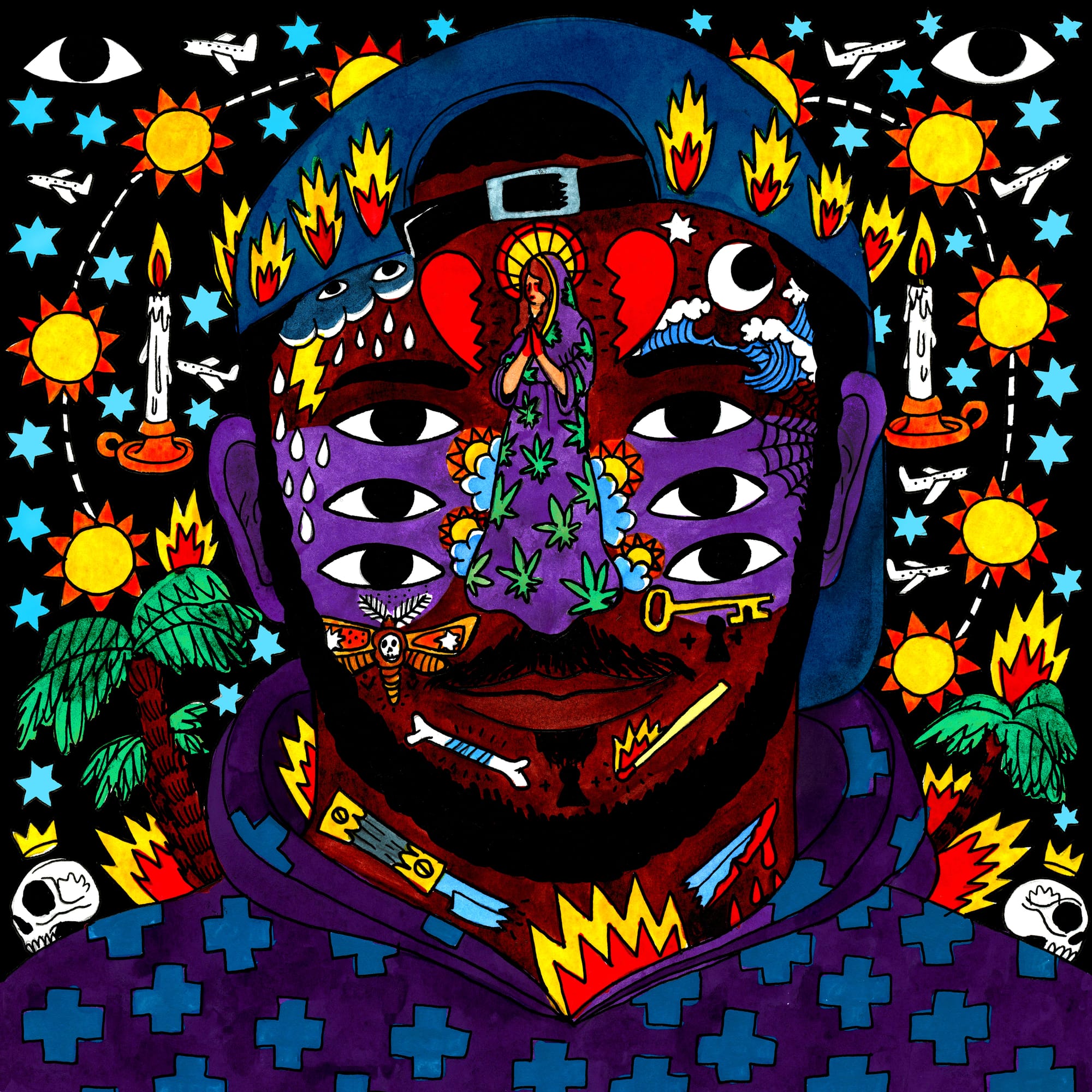
This is probably the wildest pick on my list. Going back to 99.9%, I think most of Kaytranada’s collaborative albums have inspired the way I went about structuring Paella! I don’t know whether it’s a house or a jazz song Kaytra flipped for “Lite Spots.” But the way he used the vocal sample in there and how he did the drums and arranged and layered the bass—everything is so bouncy and you can’t help but move when you hear it. It creates the perfect amount of build up between drops—I don’t think the first drop happens until about 40 seconds into the song. It also shows Kaytra’s versatility because we all know he has a house and R&B bag, but he also has a deep hip-hop bag.
I feel like people forget Kaytranada is a Madlib baby. He’s extremely hip-hop. He’s produced songs for rappers from Mick Jenkins and Wiki to Mobb Deep.
One of my other favorite Kaytra joints is one he and Mick made called “Front Street.” That and “Grey Area” are fucking incredible.
Mike: “Evil Eye”
Producer: dj blackpower
It took me so long to get into Mike because, like other people, I thought he was copying what Earl was doing on Some Rap Songs. It was only after hearing Earl say that Mike was inspiring him during that period that I dug into his discography. At this point, Disco! is a top 10 rap album for me. So many good ones on there, so it was hard to pick just one song for this list, but “Evil Eye” is great. It’s a textbook definition of an intro track. I love when an artist can bring you in in the first second; the way he used the sample and kept the vocals in there and just rapped over it! A lot of people wouldn’t do that because the vocals would clash with one another, but his voice commands so much attention. I don’t know if it’s the tone or his flows or how every word at the end of bars rhymes with the next, which is extremely hard to do. I think this beat is perfect. Most of my favorite beats aren’t happy or sad—they fall in the middle, that bittersweet melancholy.
“Evil Eye” is what I imagine the pearly gates opening sounds like. And this beat is also very simple, just a couple chops and vocal layering. It’s a chunky loop on some Madlib shit.
Especially for sample-heavy guys, having a good ear is so important, and I think he has one of the best ears of any producer I know.
Baby Keem: “STATS”
Producers: Baby Keem, Kal Banx, Keanu Beats, Nick Mira
A nice ratchet one to close it out.
This song isn’t ratchet, it’s beautiful.
But ratchet is beautiful!
[laughs] Thanks for the correction. This is one of the hardest beats I’ve ever heard. As I’m sure you can tell from all the other beats I picked, I love a beat where there’s not too much going on. You’ve got some scattered synths in the background, some drums and an 808. It might be a mixing thing or Baby Keem’s performance, but it’s just another perfect rap song to me. The energy of it just carries everything else. And then you have the beat switch with the sample from Cortex, a band that Doom used to sample a lot: Keem took the sample, threw it in the middle to break up the two halves of the song, and then the second half goes even harder somehow. I remember where I was when I heard that shit and I remember being completely blown away.
I really love experimental stuff because sometimes, on the first listen you hate it, and then a month or a year later, you realize the genius of it.


